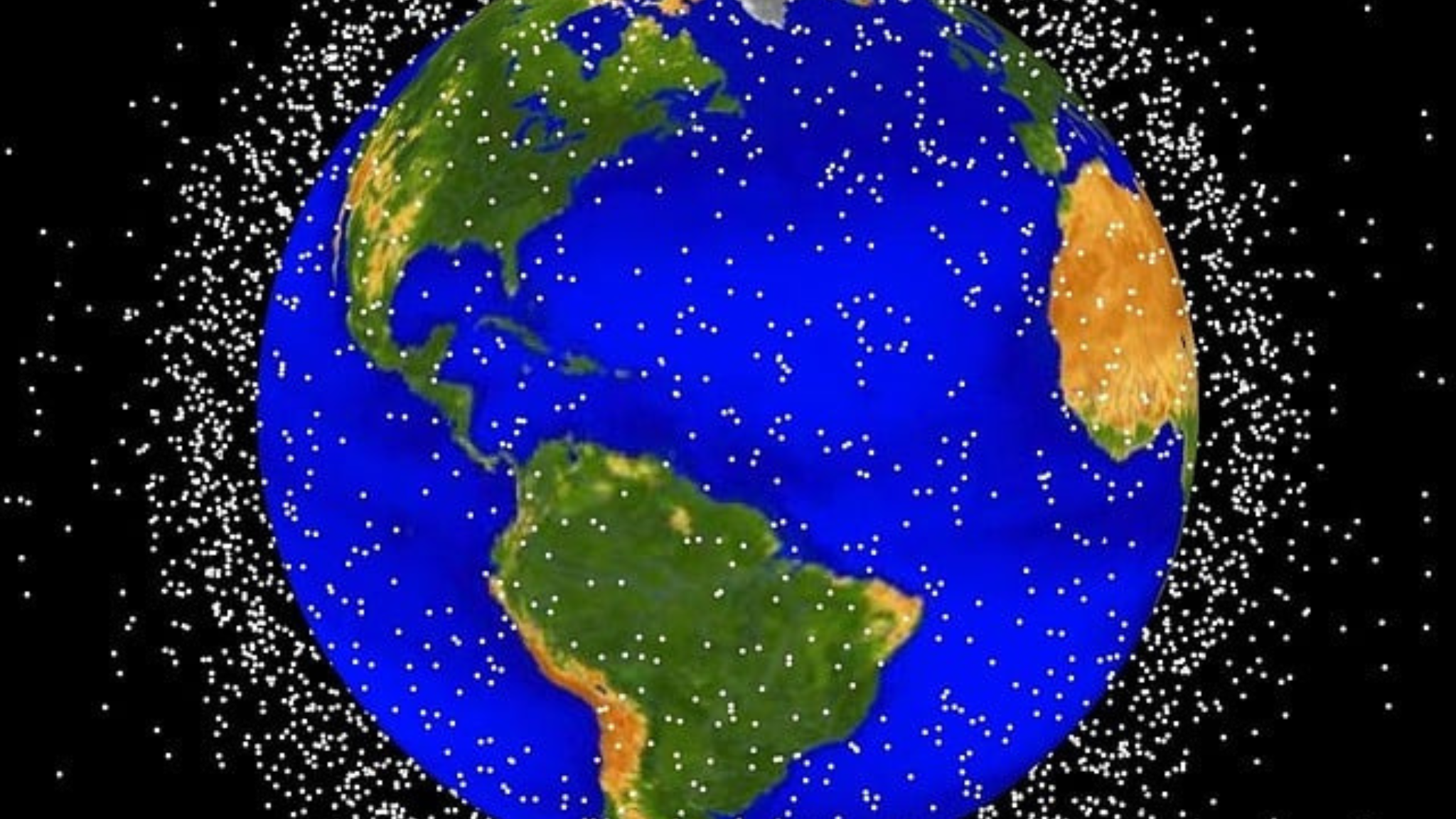
Imagine you are building a satellite, spending valuable time and resource launching it into space only for it to get hit by a tiny 1cm junk of metal that was orbiting the earth at 28 000 km/hour- rendering your satellite useless.
Humans are incredibly good at making trash- it’s the same for space, and the term “space debris,” which is any human-made object in orbit around Earth that is no longer serving a useful function, is going to become a massive problem. Space debris can include anything from large broken satellites and used-up rocket boosters to microscopic flecks of paint and fragmentation debris resulting from collisions or explosions. ESA estimates that more than 1.2 million debris objects over 1 cm are already in orbit, while only a fraction are regularly tracked. The 1–10 cm debris population is a critical blind spot for operators — too small and numerous to be routinely tracked by existing systems, yet large enough to disable or destroy a satellite on impact.
The newly ESA BIC alumni Aavuus is solving this. They are building a global network of ground-based laser stations designed to detect and track objects in Low Earth Orbit. This will improve space situational awareness and collision avoidance for satellite operators and other space stakeholders.
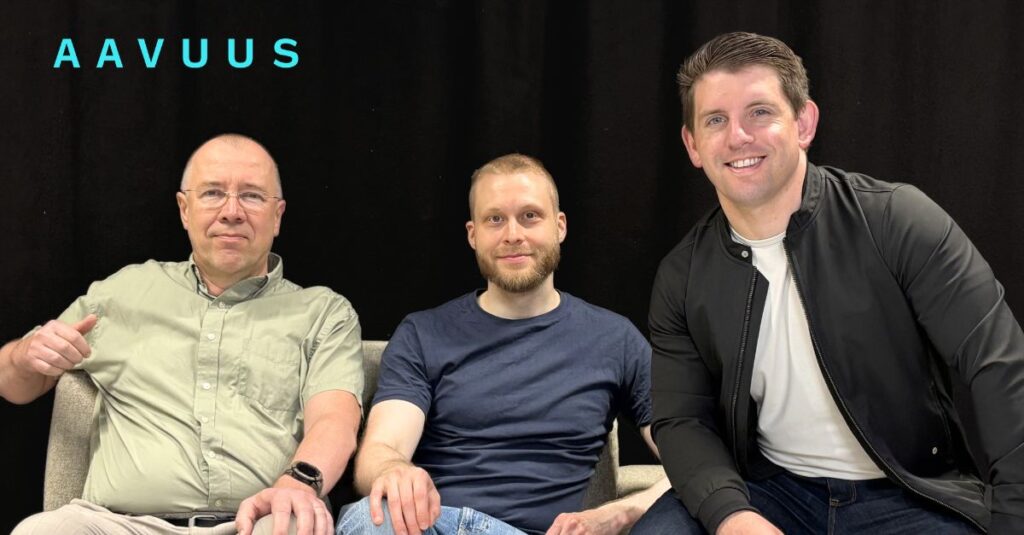
Aavuus was incorporated in 2024 and then joined the ESA BIC Finland community in 2025. They were a team of 5 people from the Finnish Geospatial Research Institute, who understood the problem and had this rare institutional expertise in satellite laser ranging and space geodesy. Recently, Aavuus hired a former US Army Aerospace Defense Officer as Chief Commercial Officer to address the growing demand from the defence sector.
During Aavuus’ incubation at ESA BIC Finland, the company advanced from an early idea-stage startup into a more structured and investment-backed company with a clearer path toward technical development, market validation, and future commercialization. The incubation period was an important phase for both the company and the concept itself, helping Aavuus strengthen its team, refine its direction, and prepare for the next step of building its first MVP. While Aavuus remains at an early stage, the incubation period created a significantly stronger base from which the company can now continue.
During the incubation period, Aavuus was also able to refine its business model to better align with how the market currently buys and uses space situational awareness data. This included sharpening the company’s positioning, improving the clarity of its investor message, and developing a better understanding of how its future offering could be presented in a form that is commercially understandable and relevant. The work helped the company move from a broad early-stage concept toward a more targeted commercial approach.
When finishing up their incubation, Aavuus announced their pre-seed funding led by Maki.vc. “This funding allows us to move from development work into execution. Our focus now is building the MVP, proving performance, and starting to work with customers who need better debris tracking data in real operations.” — Joonas Jokela, CEO, Aavuus
– More about Aavuus: aavuus.com
– More about ESA BIC Finalnd: esabic.fi
About ESA BIC Finland ESA BIC Finland, coordinated by the Aalto University Startup Center, is a business incubator that propels space-related entrepreneurial ventures through strategic support, networking, and funding.